
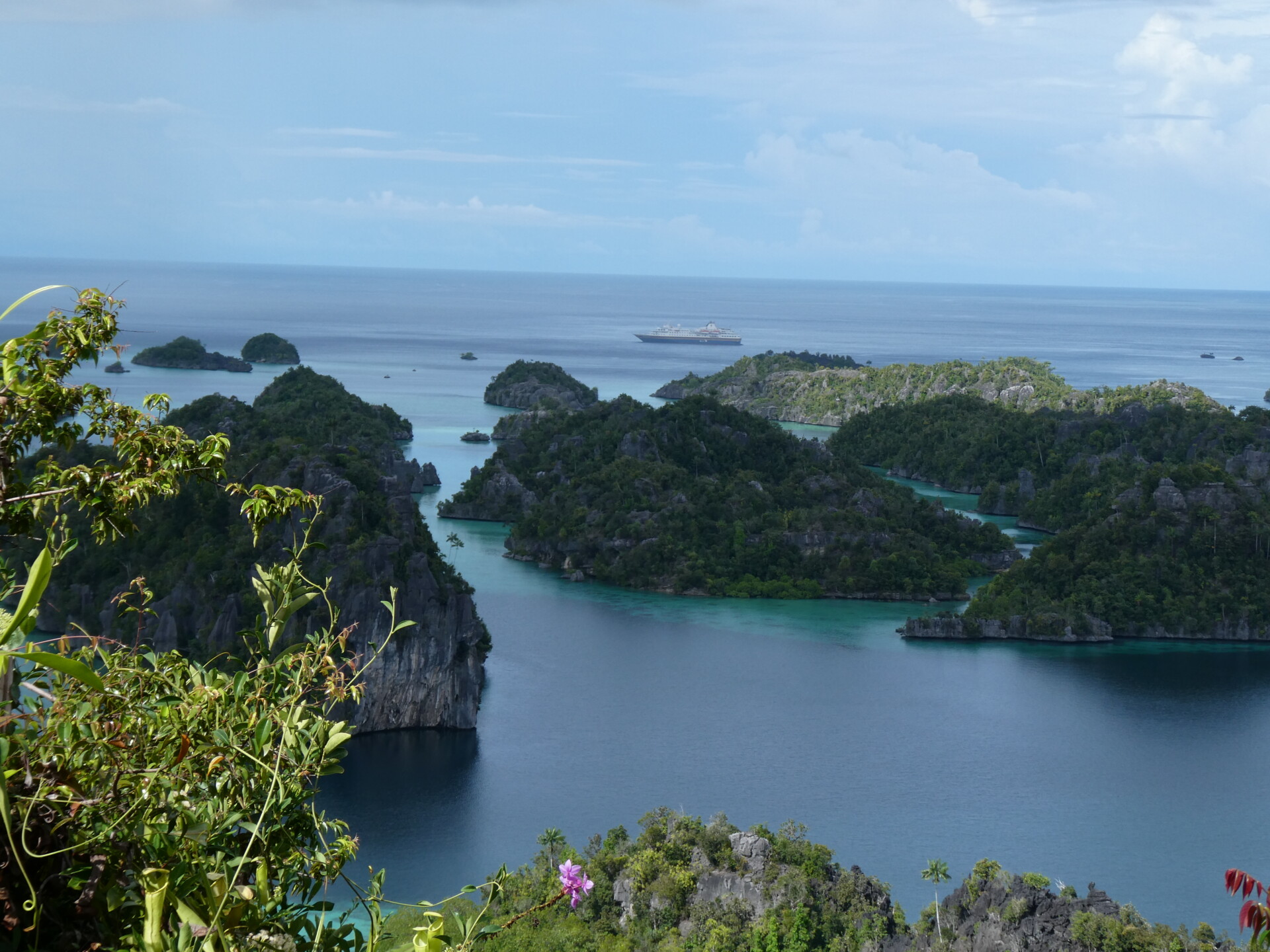
Misool, Raja Ampat, Indonesia Day 11
Tuesday 7th October 2025
Raja Ampat, also known as the Four Kings in West Papua consists of Bird’s Head-Papua Mainland and some 2713 islands, including the four main islands of Waigeo, Misool, Batanta and Salawati.
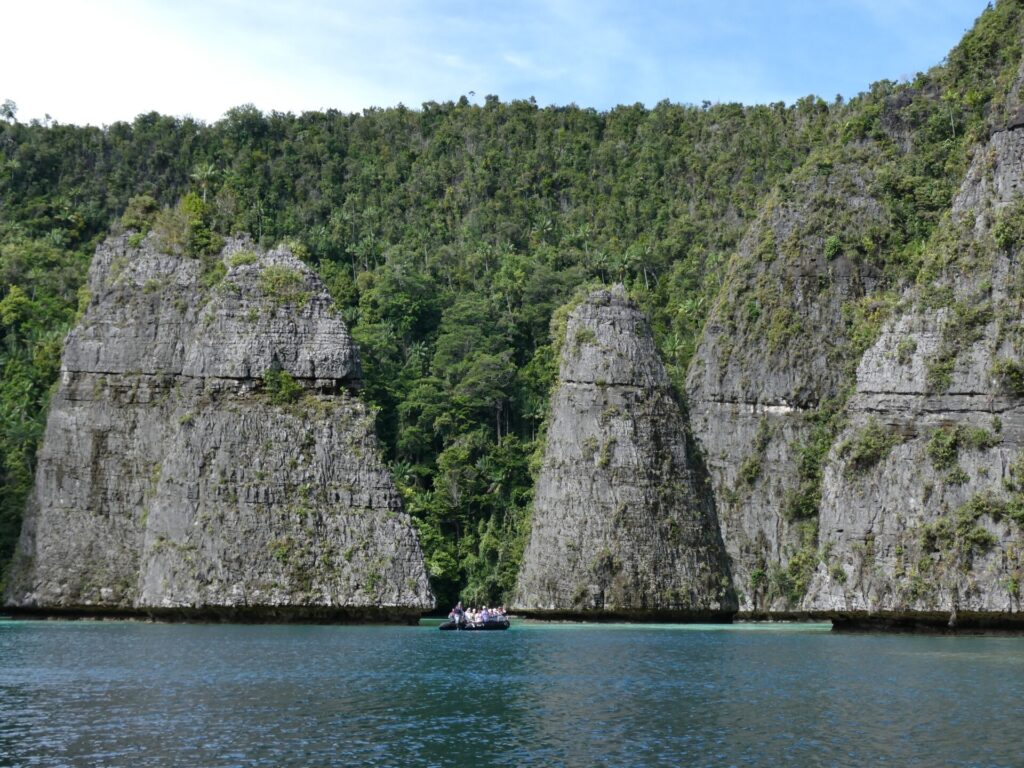
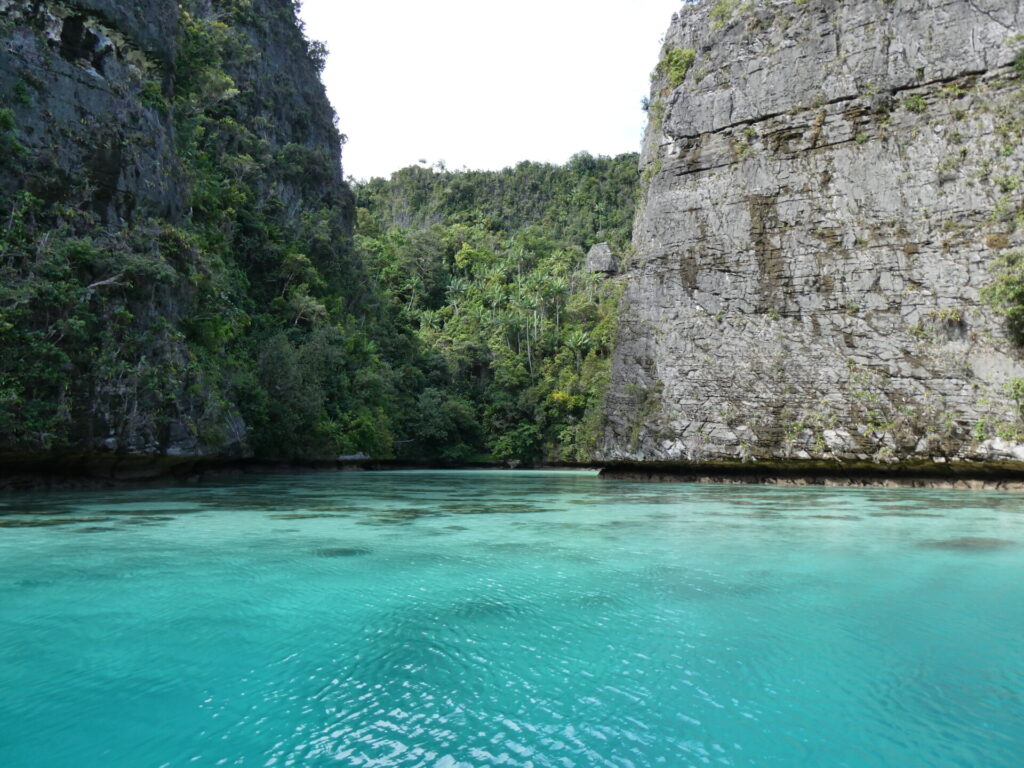
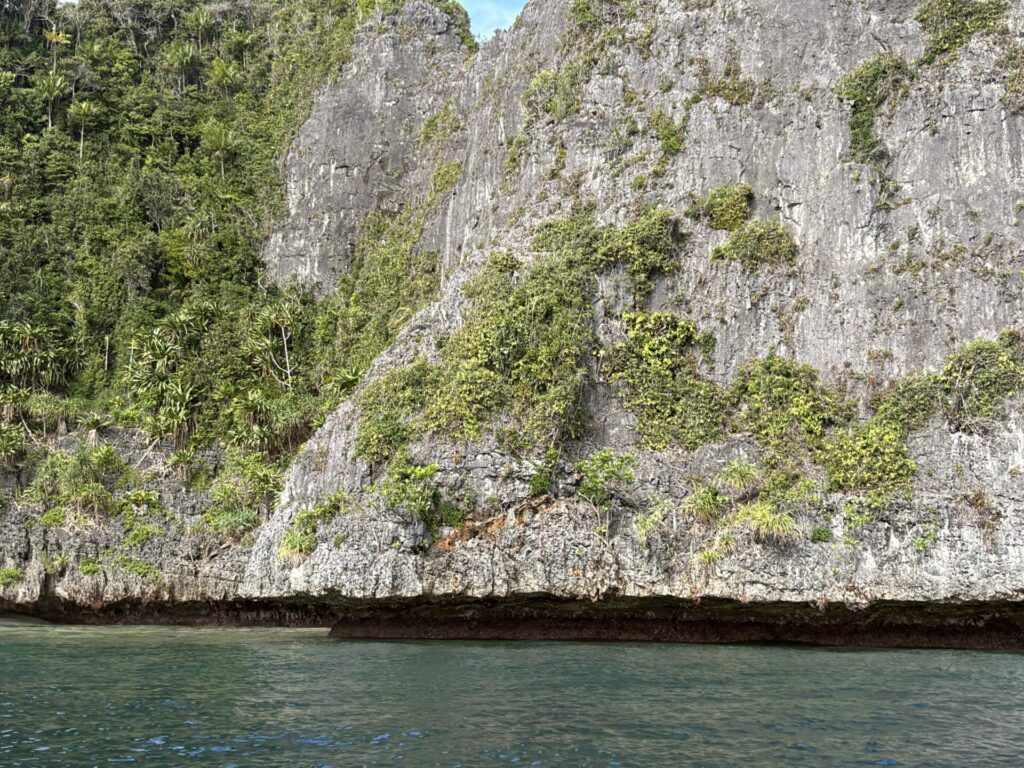
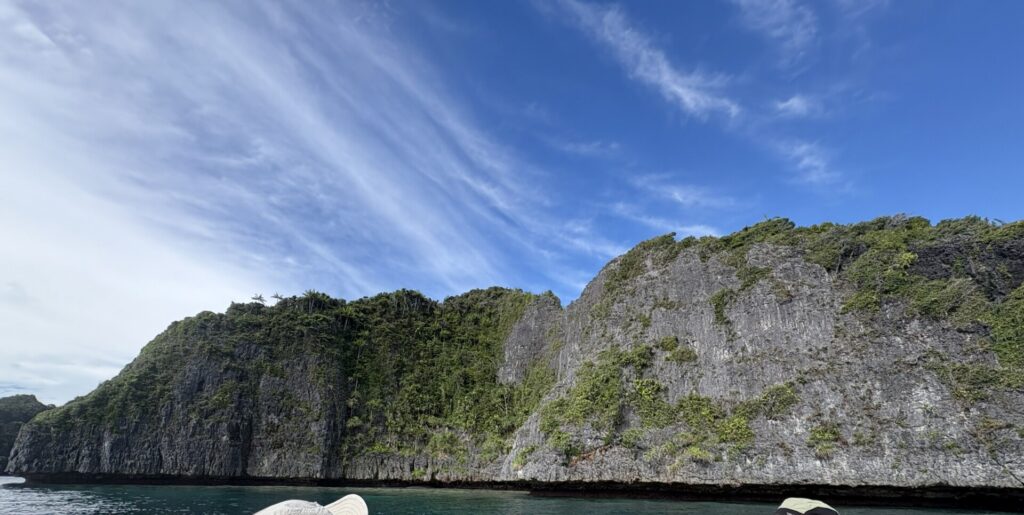
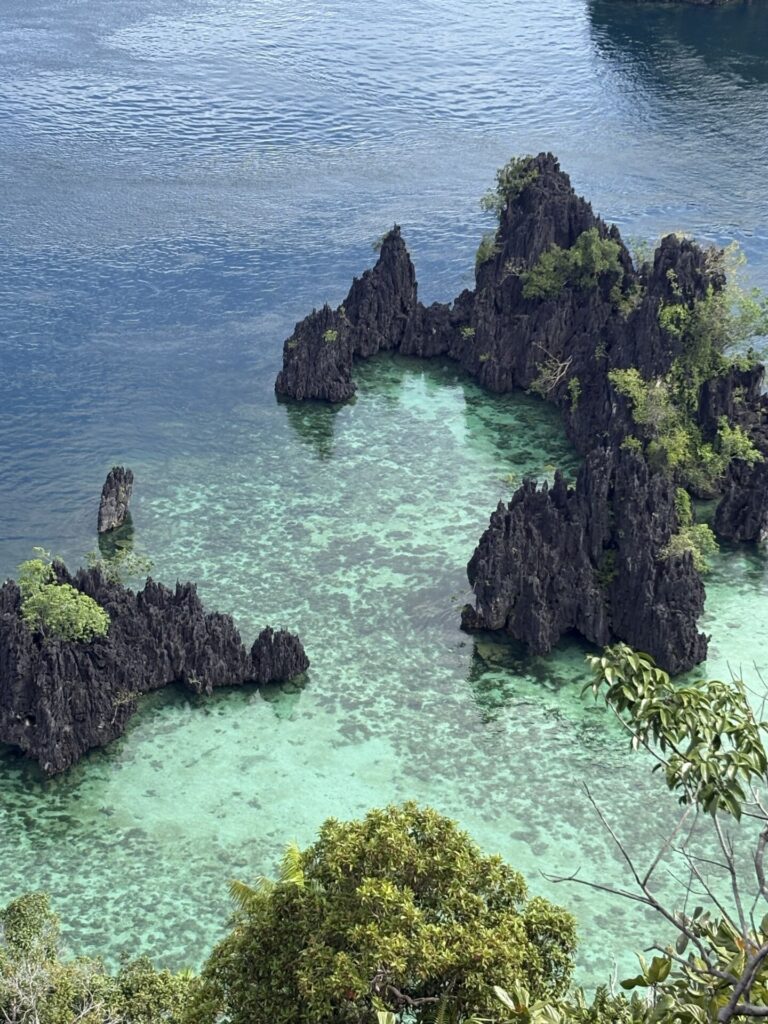
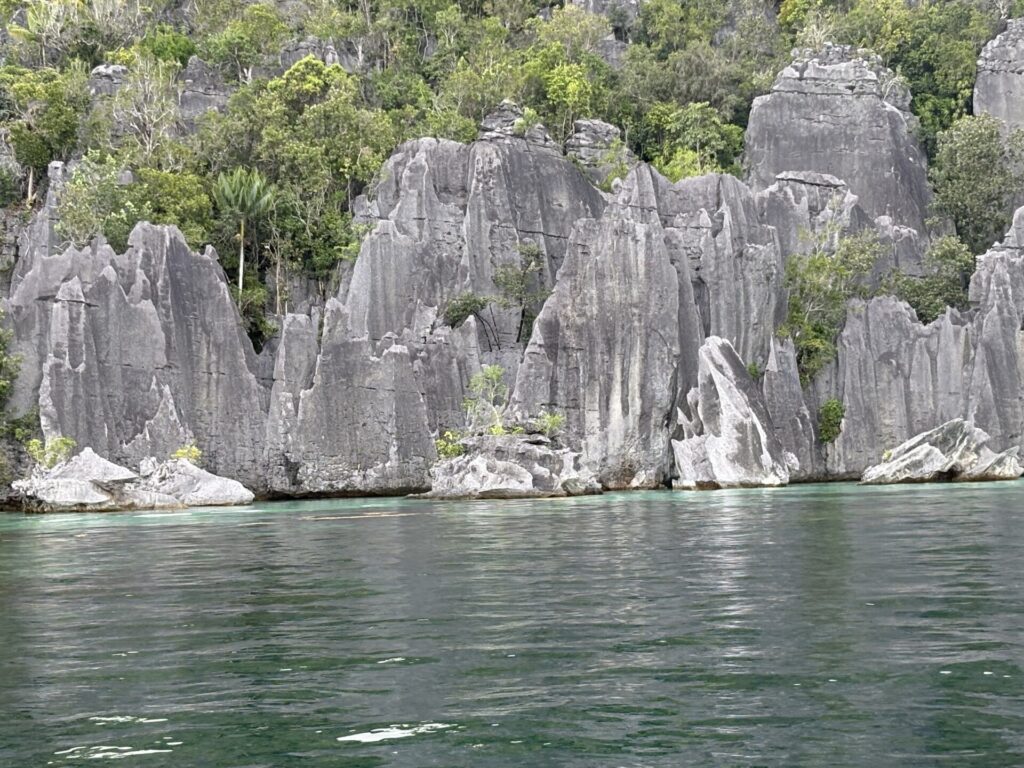
The rocks of Raja Ampat began to form over 400 million years ago. About 2 million years ago Raja Ampat was raised from below the ocean to become land, much of which is made of limestone. Raja Ampat is a stunning karst archipelago where water has dissolved, eroded and carved the incredible islands of today. Limestone, also known as calcium carbonate, dissolves in water and as rainwater seeps into the rock, it slowly erodes. Karst landscapes can be worn away from the top or dissolved from a weak point inside or outside of the rock. Towering limestone cliffs along the coastline plunge deep into the sea forming the base of the reef systems. Rock types include Paleozoic, Mesozoic and Tertiary
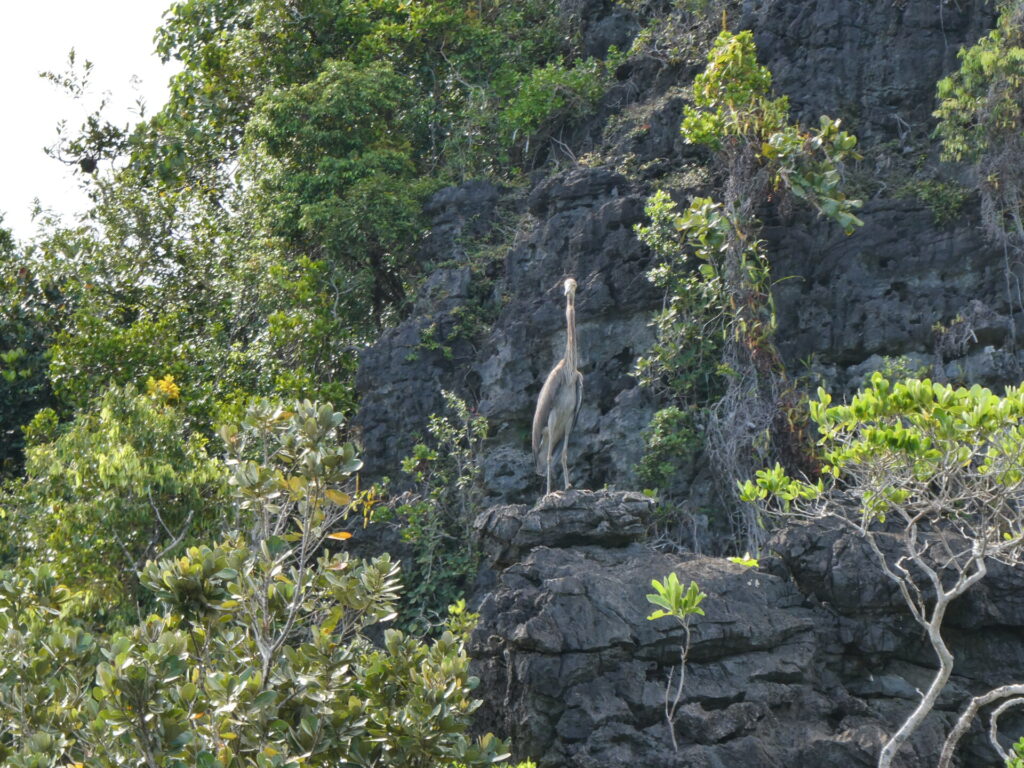
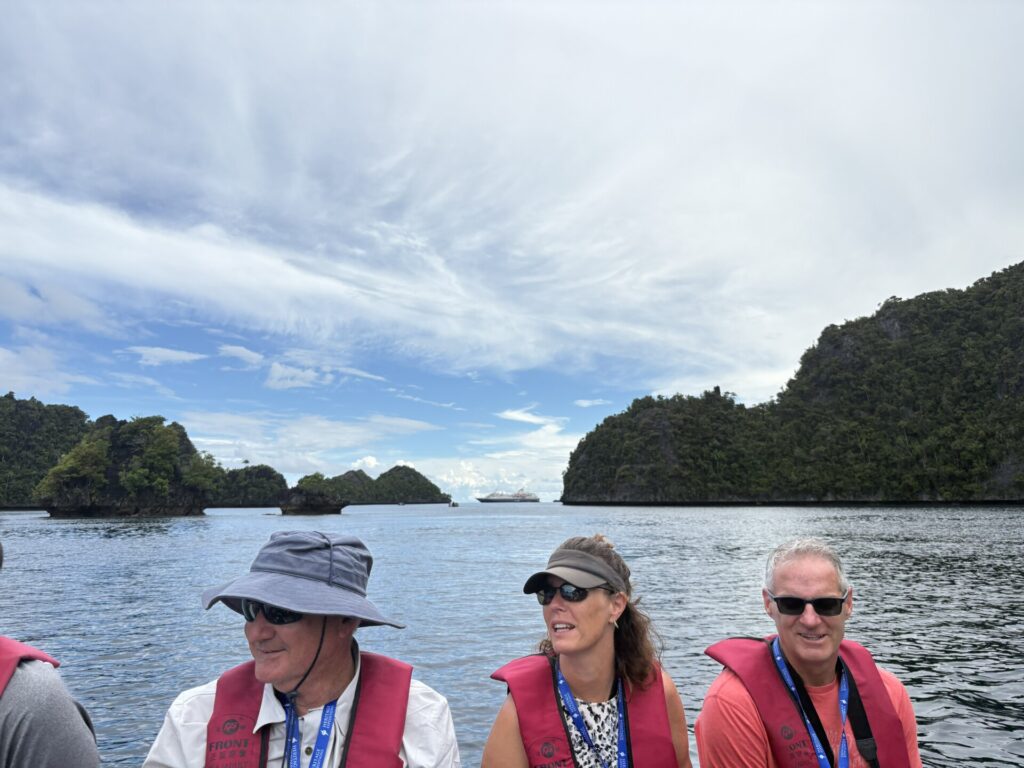
It was a morning of expedition as we explored this section of the island chain for the very first time. A Zodiac cruise took us through a never-ending maze of tunnels and passes that crisscrossed through these islands. Some came to dead ends, while others featured more intricate winding rivers that flowed back out to the main bay. The pitcher plants, which dangled along the rocky ledges, were in abundance.
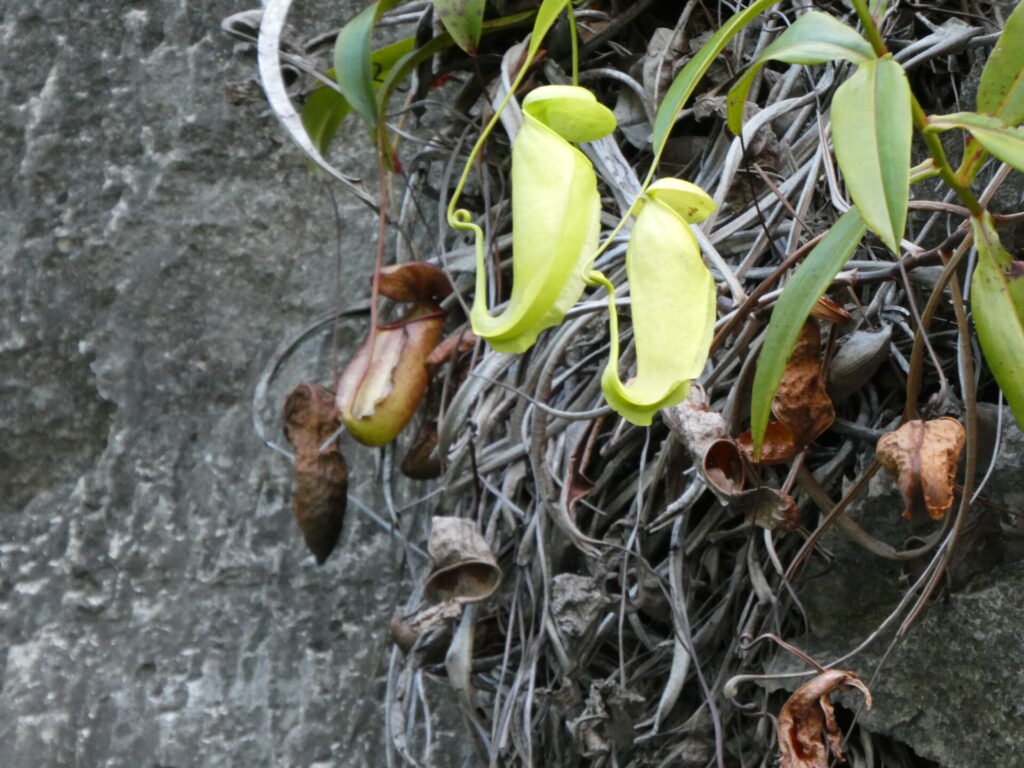
Pitcher Plant
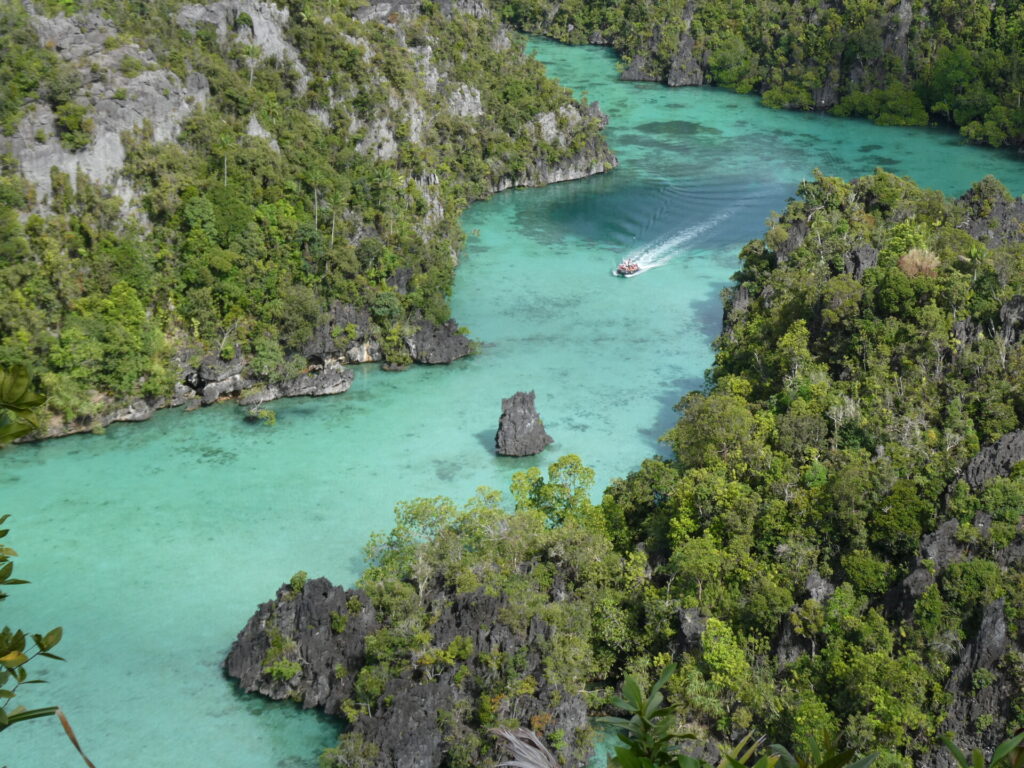
We climbed to the top of Harfat Peak. No mean feat considering many of the wooden steps in the walkway were missing, however the view from the top was well worth the effort.
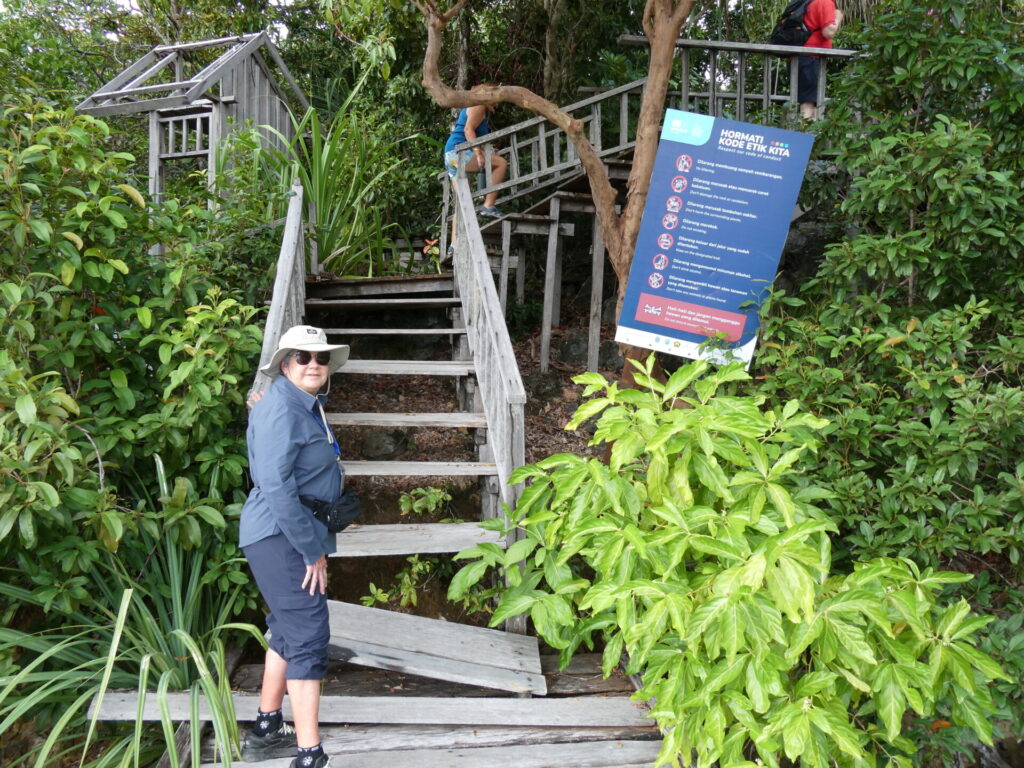
the step climb up Harpat Peak
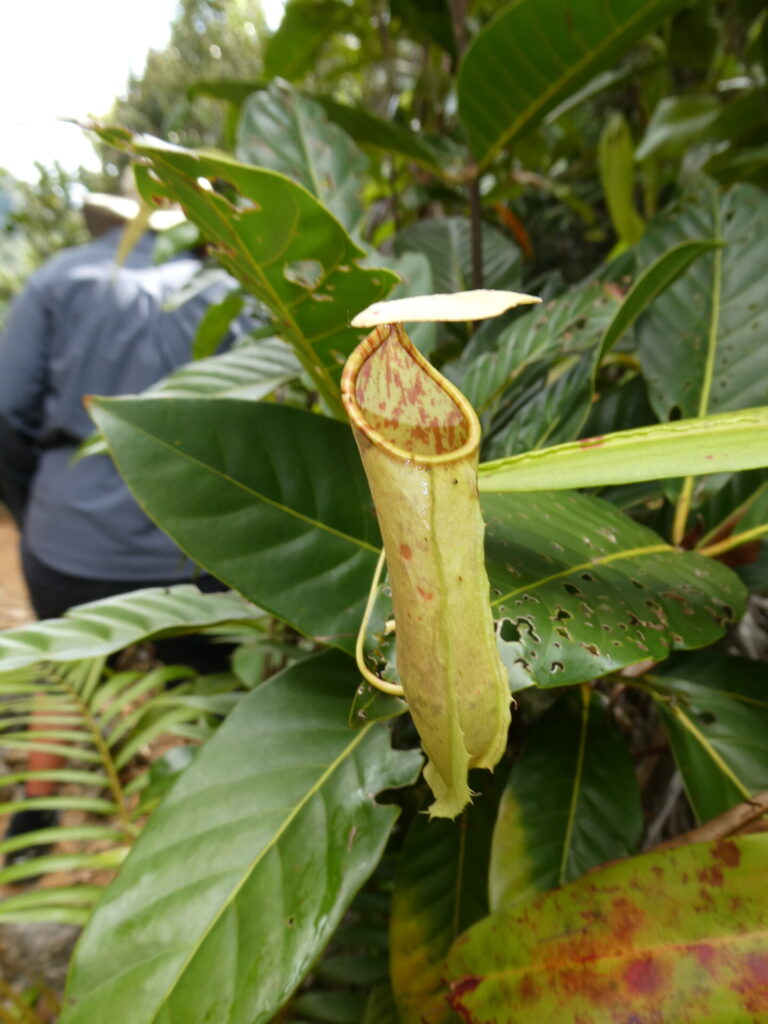
pitcher plant
The Zodiac cruise home finished with a special highlight as we were taken to an art site that may date back several thousand years.
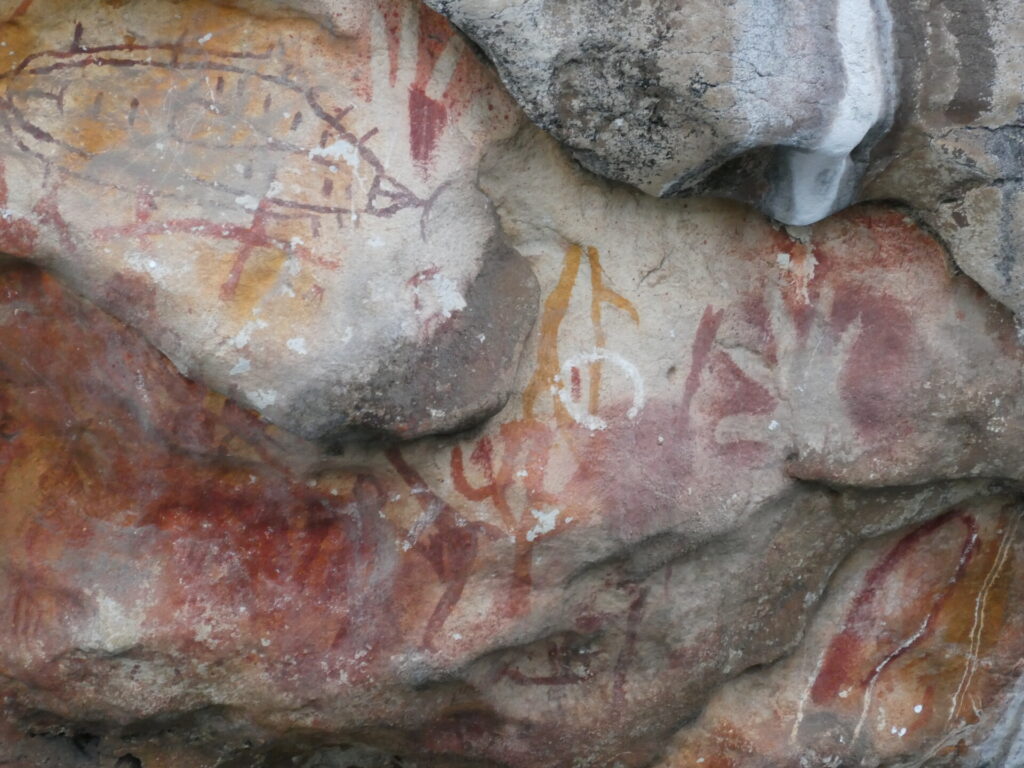
rock art
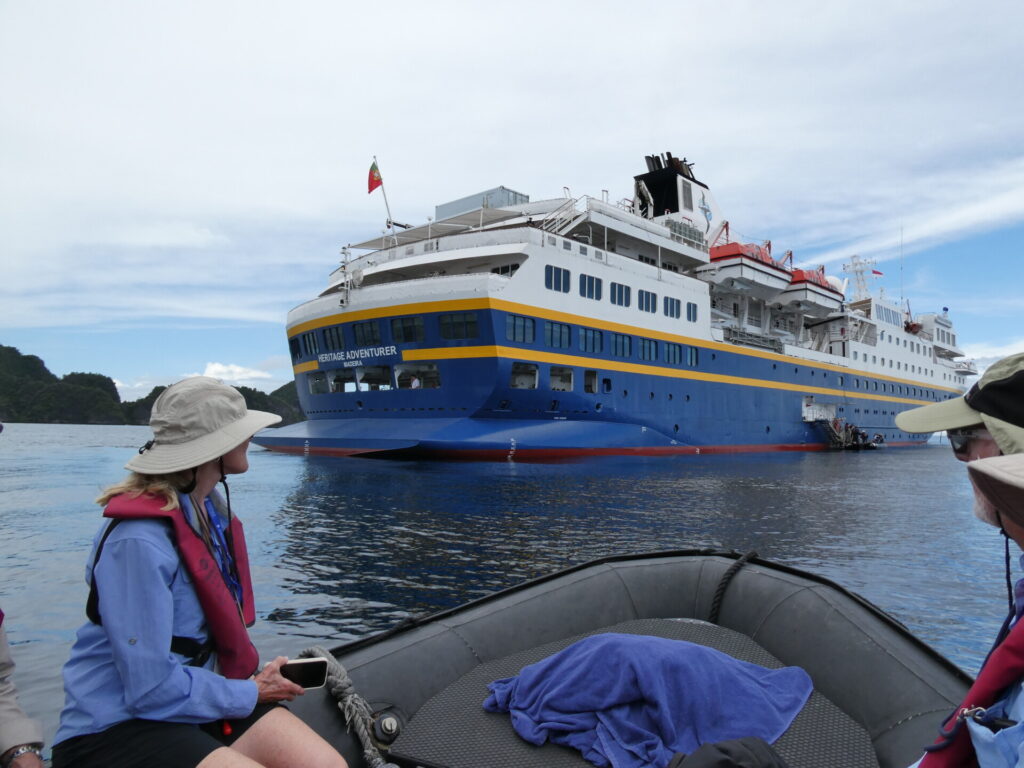
Back to the ship
Leave a Reply