
Komodo Island and Pink Beach, Indonesia Day 6
Thursday 2nd October 2025
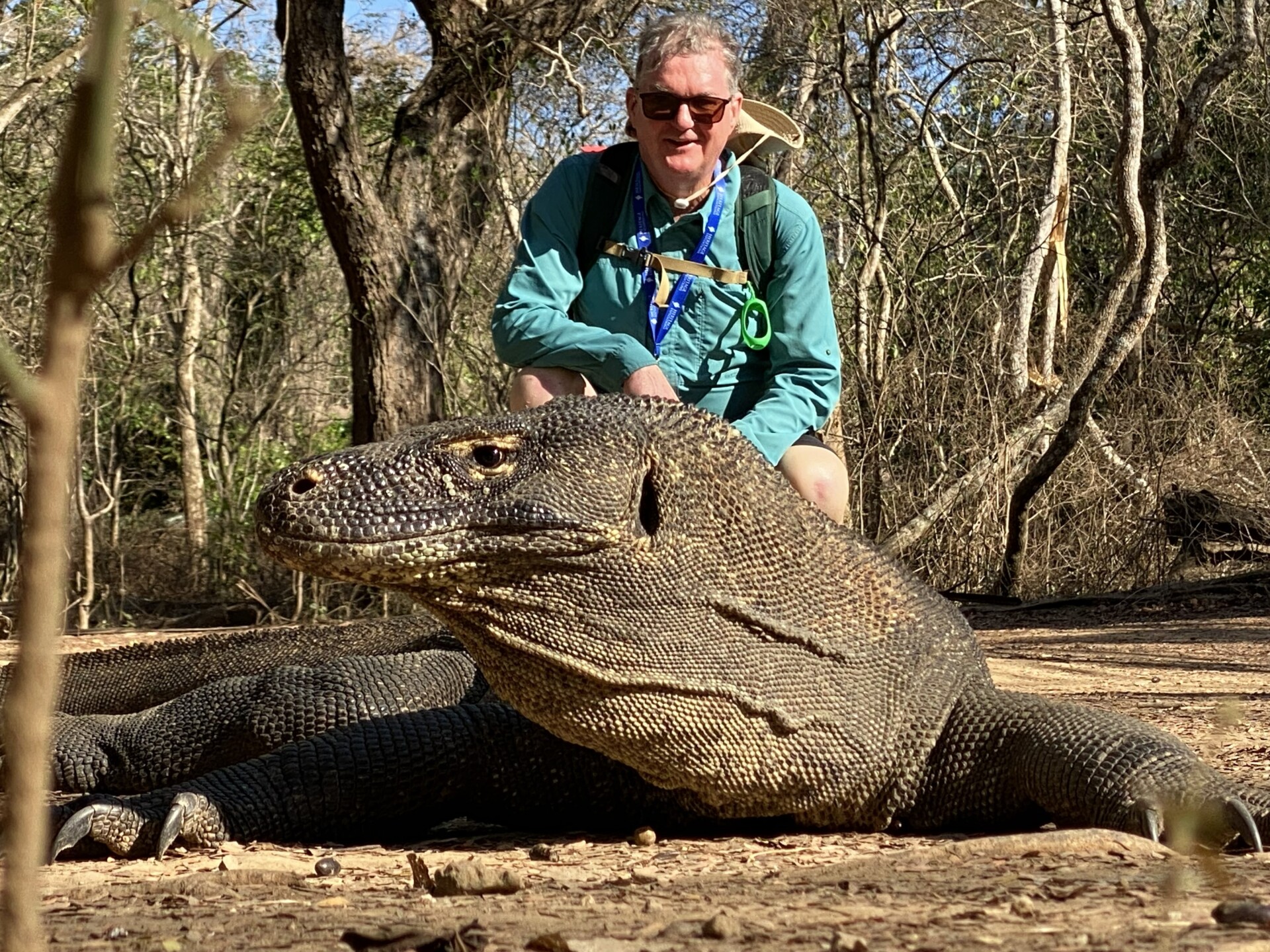
We arrived at Komodo Island, home to Komodo Dragons and were immediately greeted by a MASSIVE Komodo Dragon waiting on the beach. As we explored the island our guides never let stray too far from the walking tracks, except to give way to a Komodo on one occasion. There were plenty of birds and deer moving through the understory and we came across a dragon’s nest. With mating season just completed it would be the site of many baby dragons in February next year.
A few facts about Komodo Dragons –
Komodo dragons are the largest living lizards in the world, native to a few Indonesian islands.
Komodo dragons can grow up to 3 meters in length and weigh 160 kg. Their heads are flat with rounded snouts and they possess serrated teeth and a venomous bite. They can run briefly at speeds of 20 km/h.
These reptiles are carnivorous apex predators, feeding on carrion, deer, pigs, water buffalo, smaller dragons and occasionally humans.
They rely on stealth and patience, ambushing prey and using their venomous bite to weaken it. Komodo dragons can consume up to 80% of their body weight in a single meal and have expandable stomachs to accommodate large portions. Meaning that they may only need to eat once a month.
Komodo dragons are solitary but territorial, using their keen sense of smell via forked tongues to locate prey or carrion from kilometres away.
Mating occurs between May and August, with females laying up to 30 eggs in burrows or abandoned nests, which hatch after seven to eight months.
Young dragons often live in trees to avoid predation, including cannibalism by adult Komodo Dragons. They primarily eat insects, small lizards, and birds, gradually shifting to larger prey as they mature.
Komodo dragons are listed as Endangered due to habitat loss. They are protected under Indonesian law and the Komodo National Park, established in 1980, helps conserve their populations. There are about 3,500 dragons remaining in the world and half of that population live on Komodo Island.
Fossil evidence indicates that the ancestors of Komodo dragons first appeared in Australia around 40 million years ago, as part of a broader family of large monitor lizards that thrived in the warm, forested environments of ancient Gondwana. These early lizards, related to species like the giant Megalania, eventually spread northward to Southeast Asia as tectonic shifts and fluctuating sea levels created land bridges, such as the Sunda Shelf, allowing migration.
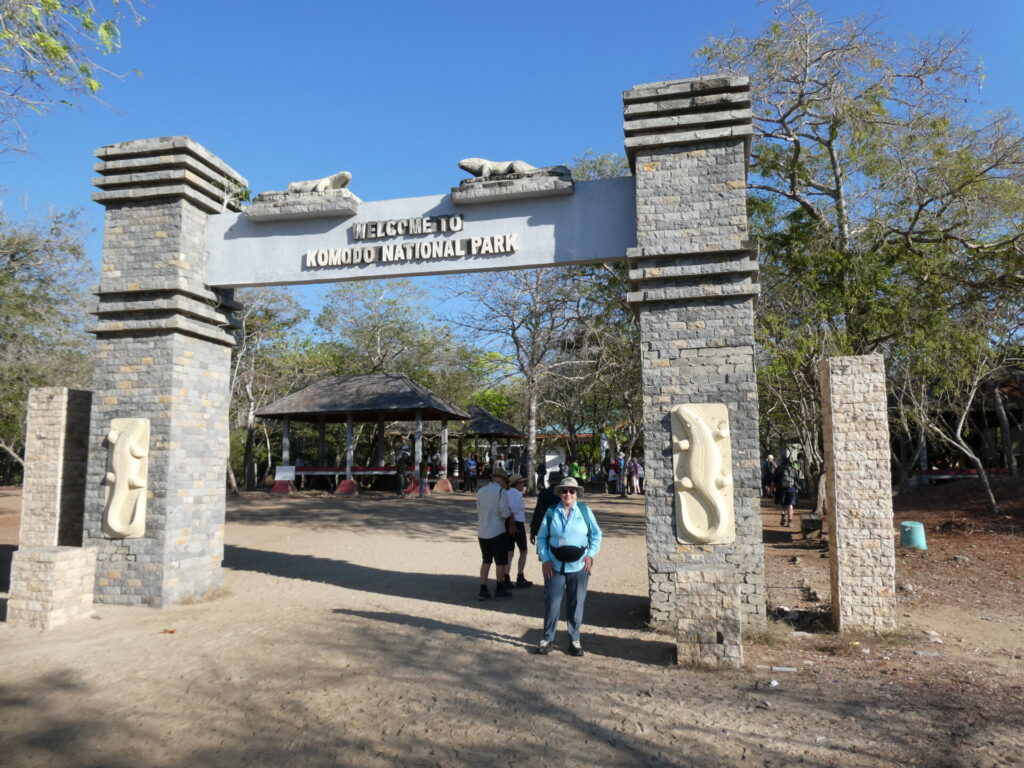
Welcome to Komodo Island
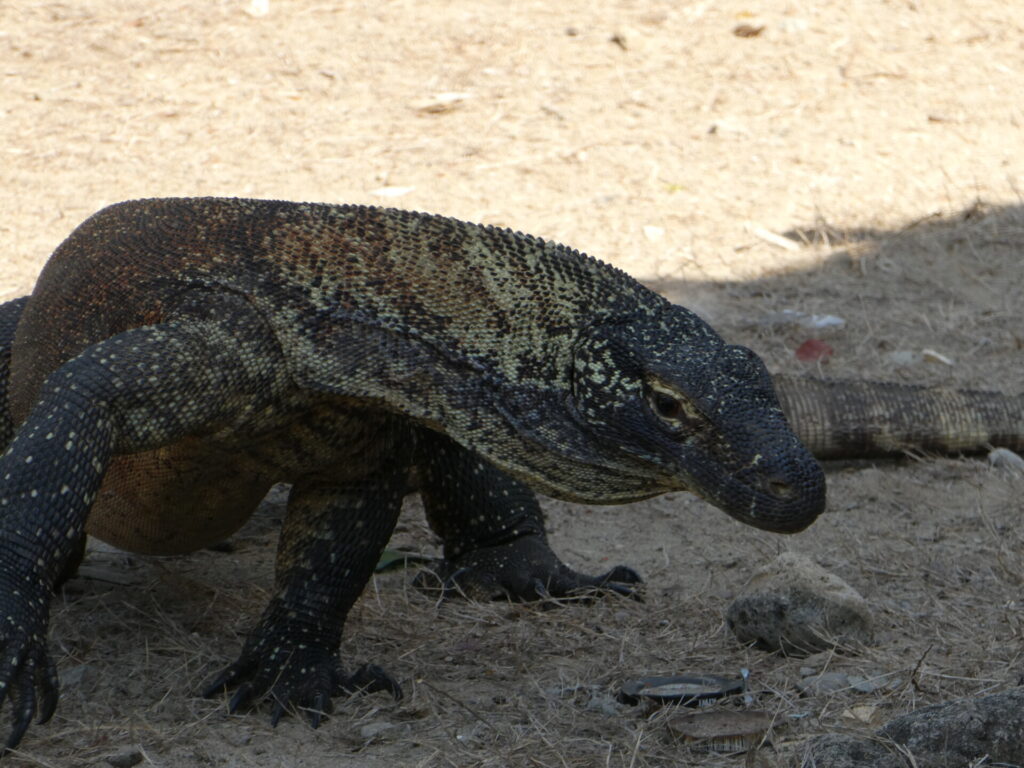
Komodo dragon
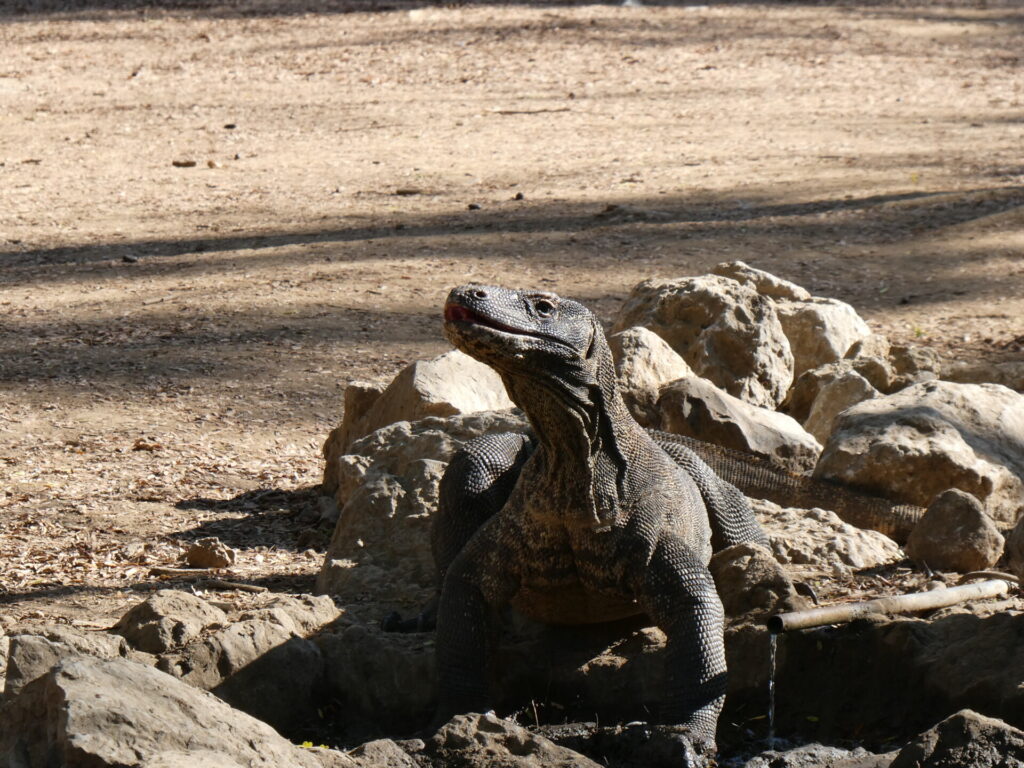
Komodo by the waterhole
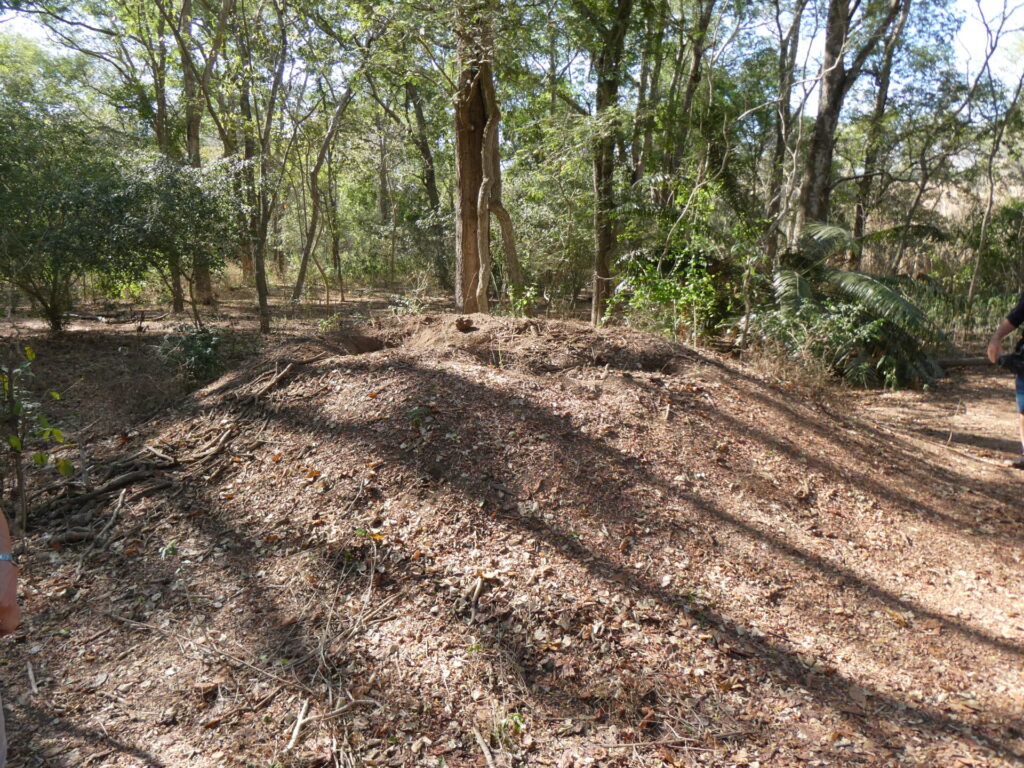
Komodo nesting site
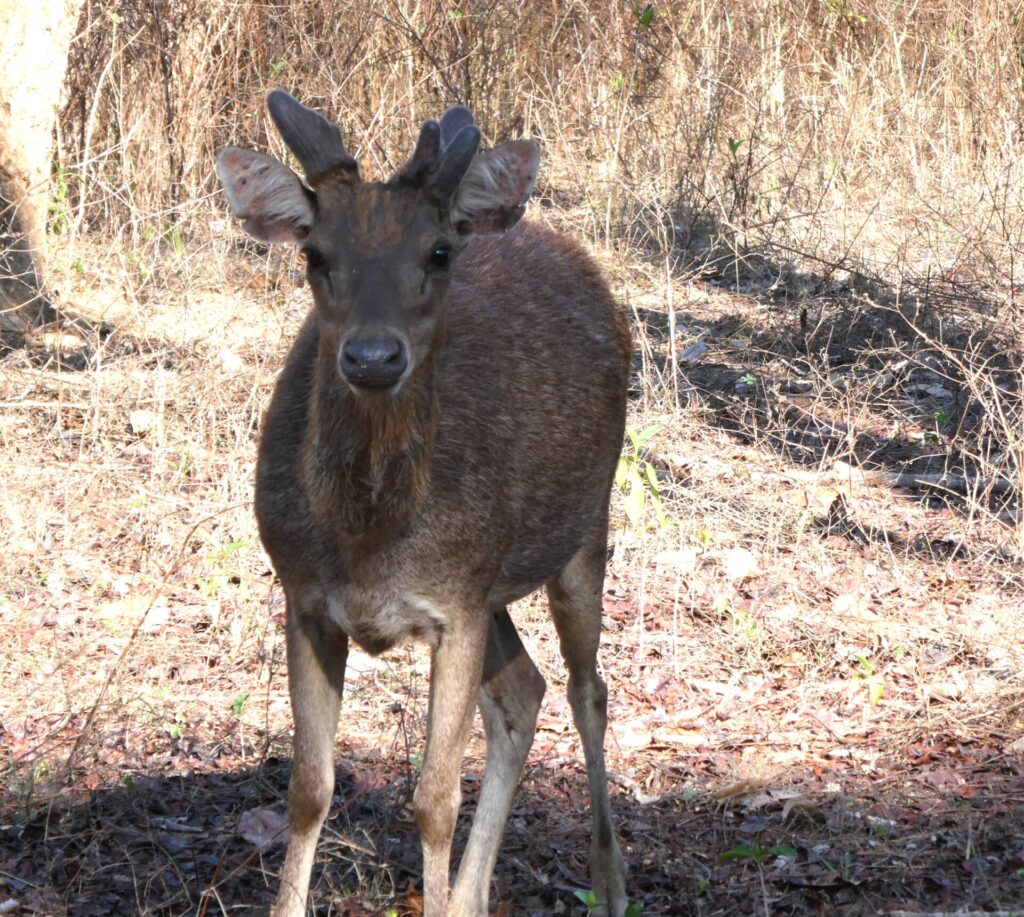
Timor deer
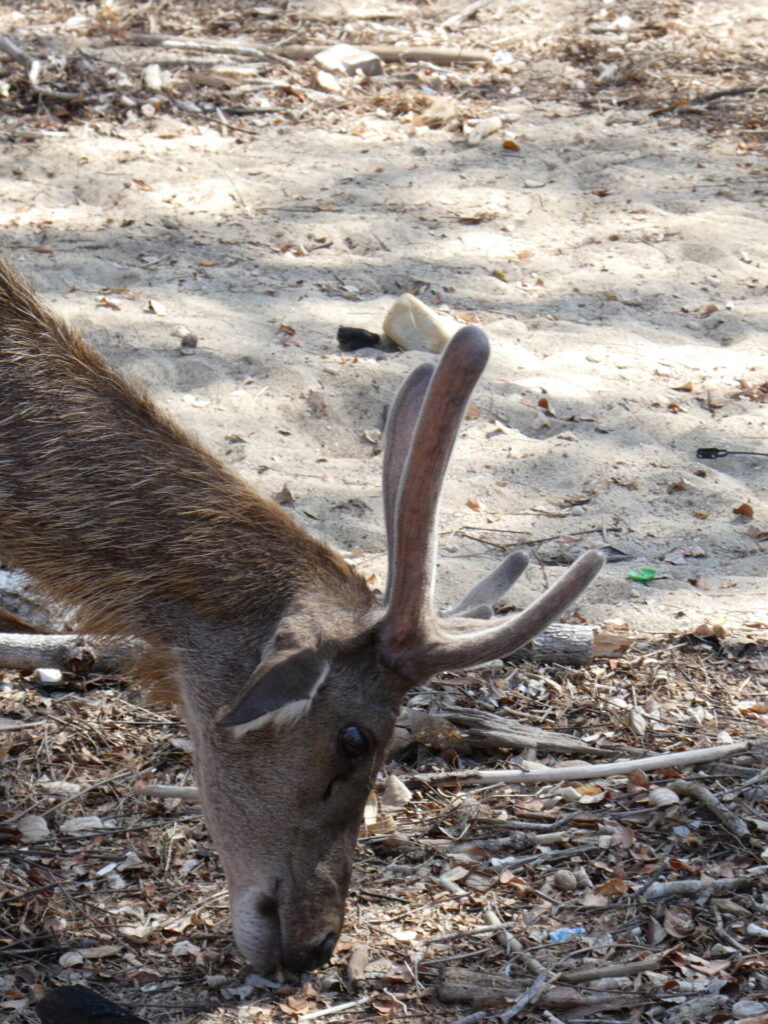
Komodo’s dinner
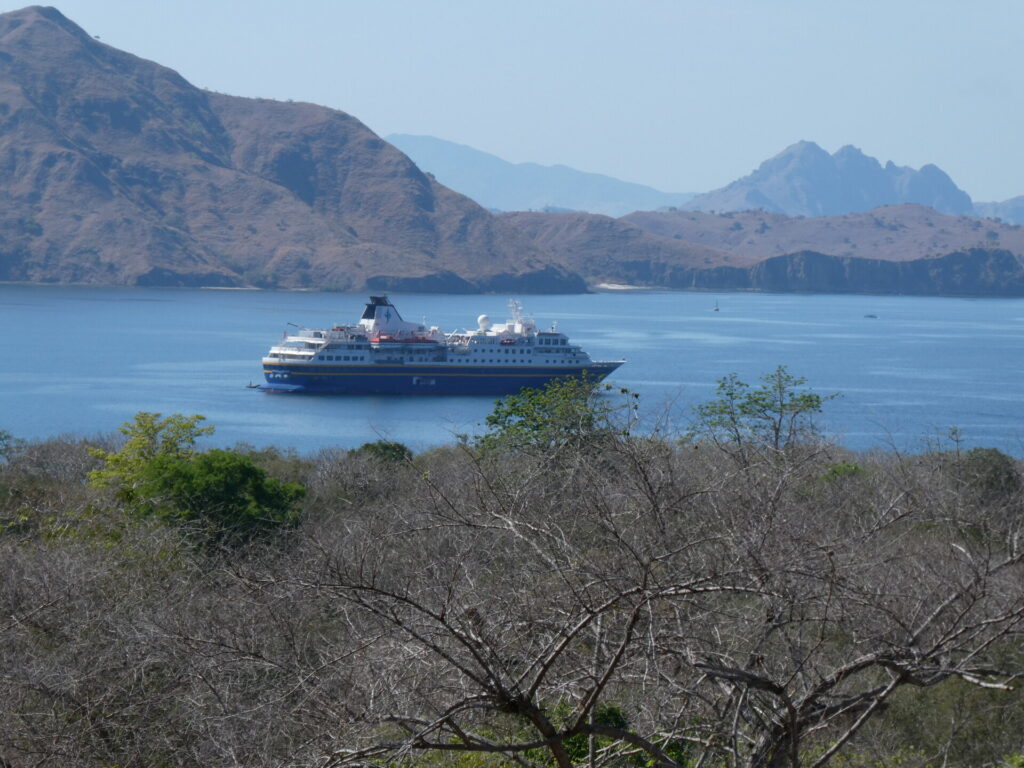
Heritage Adventurer from the lookout
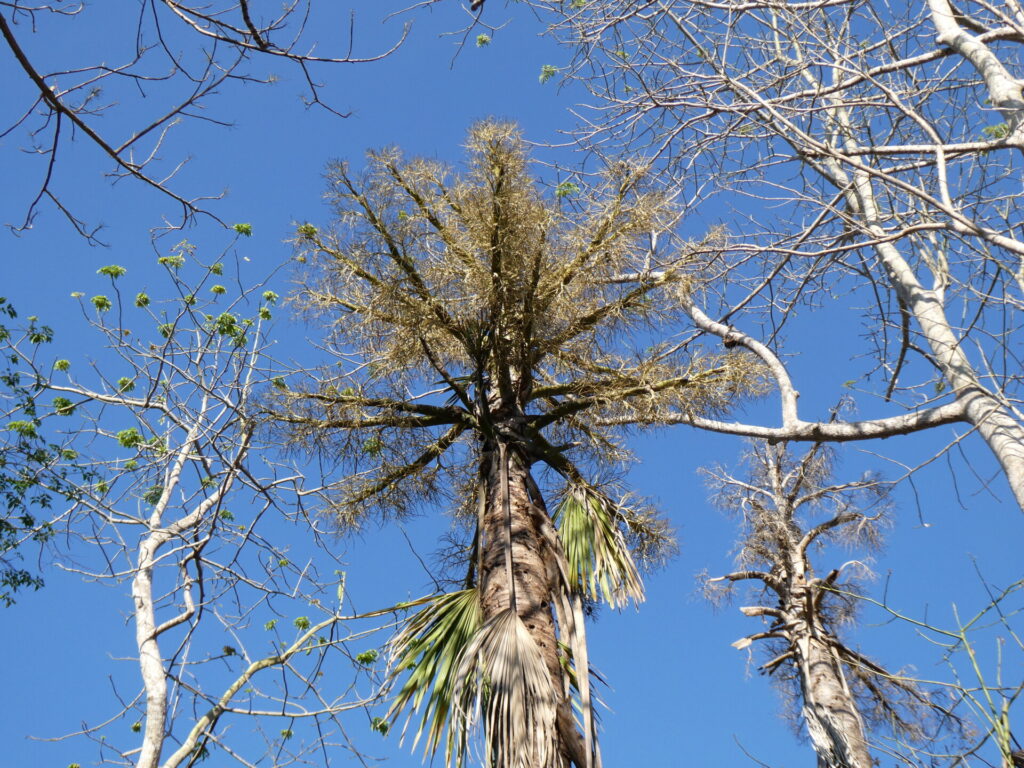
palm tree in seed
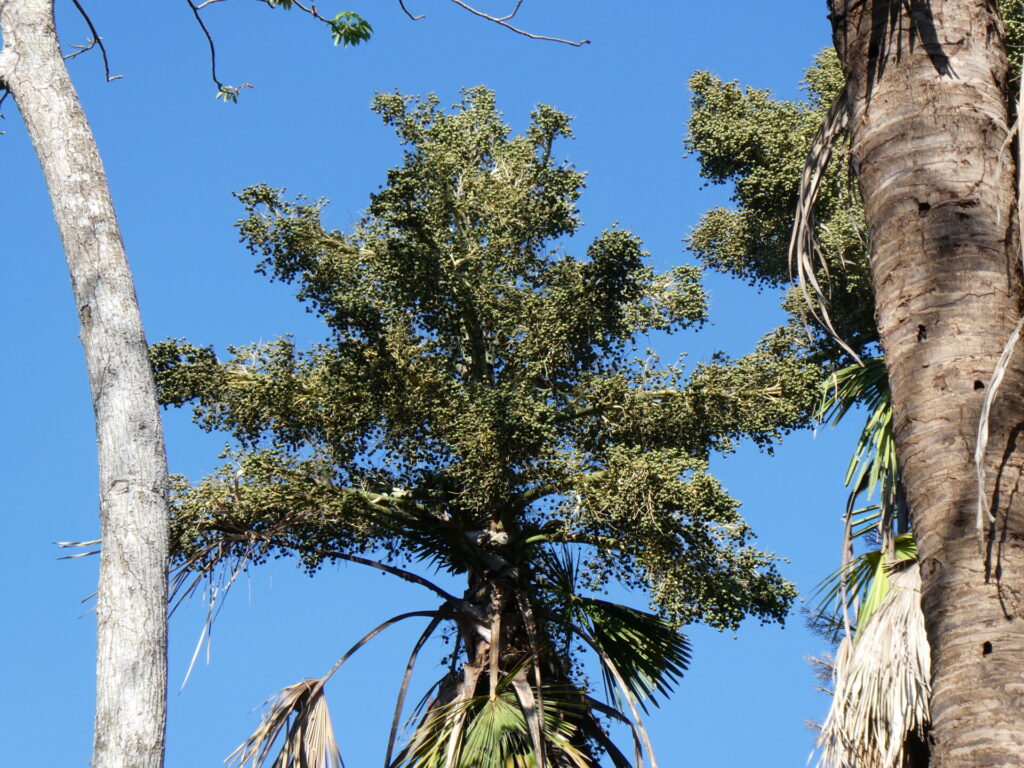
palm tree
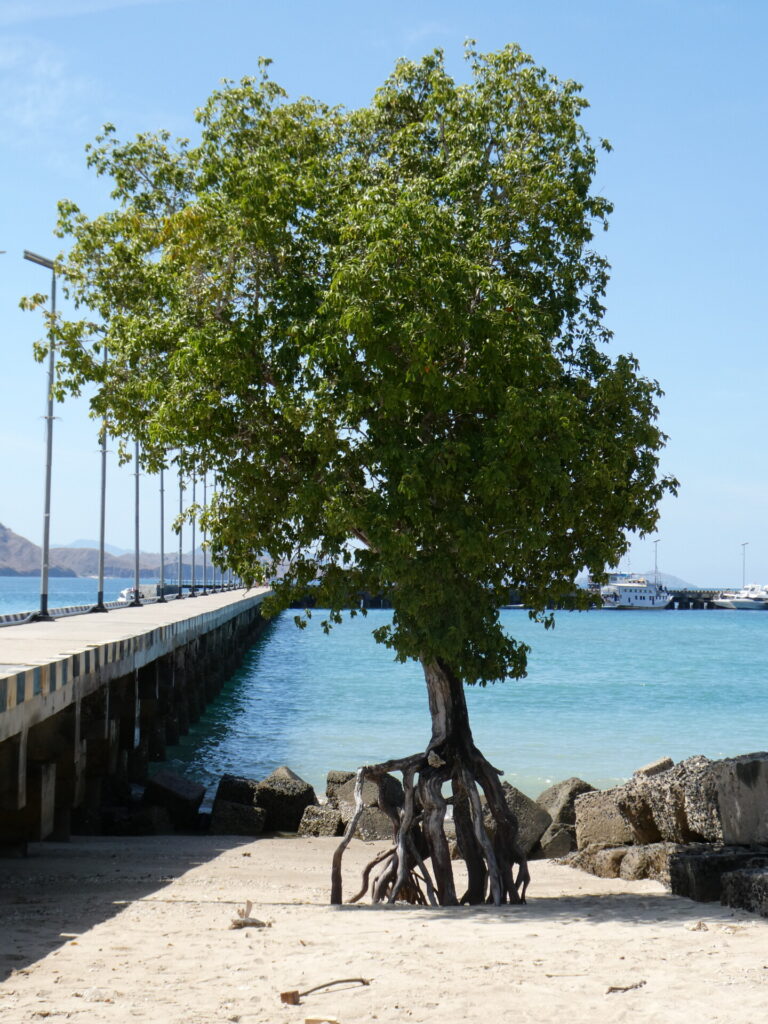
As amazing as it was, it was hot, and so then there would be nothing better than a swim and snorkel at the famous Pink Beach. The marine life here was incredible! Large numbers of schooling Fusiliers and Indian Mackerel feasted all afternoon in the prevailing current on the surface of the water. Down deeper, large predatory Trevally and Snappers moved calmly through schools of small fish.
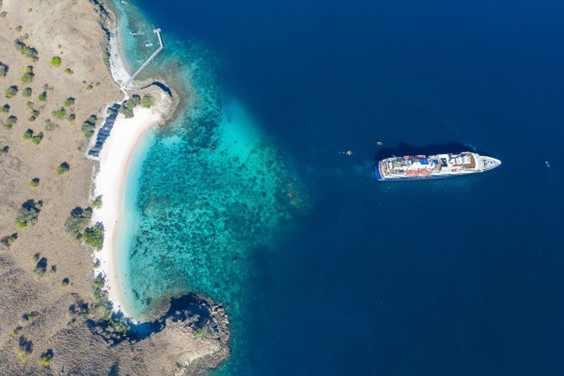
Aerial view of Pink Beach. Image by S. Bradley Heritage Expeditions
Leave a Reply