
Cairns, Australia Day 21
Friday 17th October 2025
Angelino’s Sugar Cane Farm and Mulgrave Sugar Mill Tour
A Journey Through Australia’s Sweetest Heartland
Welcome, adventurers and seekers of authentic Queensland charm! Today, I will be your guide as we wander through the emerald sugar canefields of North Queensland and explore the fascinating world behind the gates of a working sugar mill. Prepare to be captivated by sweeping vistas, the gentle rustle of cane in the warm breeze and the unmistakable scent of raw sweetness that hangs in the tropical air. Let us embark on this journey together and uncover how one of Australia’s most iconic agricultural industries has shaped life and landscape alike.
Setting the Scene: The North Queensland Canefields
The North Queensland landscape unfolds with verdant, undulating fields as far as the eye can see. These are the sugar canefields of the Cairns region. A patchwork of vibrant green that carpets the plains as we journey south to the Mulgrave Mill in Gordonvale and the Angelino sugarcane farm in Aloomba.
Take a moment to breathe in the humid air, tinged with the fresh scent of growing cane. You will notice the fields are planted in neat rows, the canes rising tall and straight, some reaching three metres high at their peak.
Sugarcane is a grass, though unlike any you have seen. Its thick, fibrous stalks store the precious juice that, once processed, becomes the sugar that sweetens kitchens around the world. These fields are tended by generations of farming families, their knowledge passed down over a century. The rhythm of planting, growing and harvest marks the passing of time here and plays an essential role in the local economy and community spirit.
The Harvest: Crushing Season’s Excitement
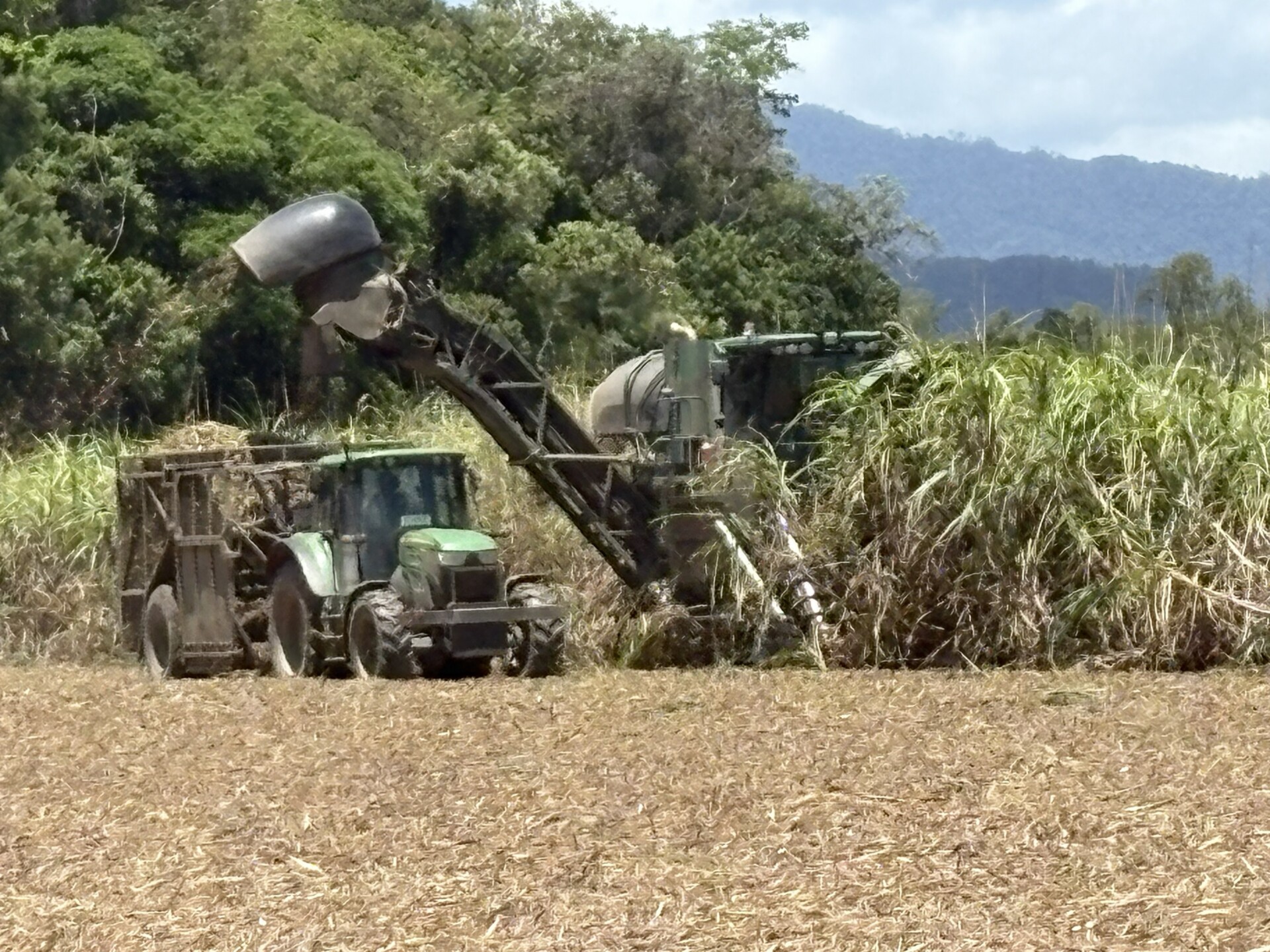
We will be visiting in October at the height of the “the crushing season”—the annual sugarcane harvest season. This is when the fields hum with activity. Early in the morning, you will see mechanical harvesters—giant machines with spinning blades and conveyor arms—moving slowly through the endless rows, slicing the stalks and feeding them into trailing bins.
The air is alive with movement: tractors rumbling down dirt headlands, cane trains loaded high with freshly cut cane snaking their way toward the mill and the distant drone of harvesters at work. The logistics are staggering; the cane must be processed within hours of cutting to preserve its sweetness, so every step is carefully choreographed.
As a visitor, you may be lucky enough to stand alongside one of these harvesters and feel the earth tremble beneath your boots as the machine powers through the cane. The aroma here is distinctive—a heady, green scent, tinged with sweetness and the faint, earthy note of fresh-cut grass.
Journey to the Sugar Mill
Now, let us follow a load of freshly cut cane to the heart of the operation: the sugar mill. These vast, industrial complexes are the engines of North Queensland’s sugar industry. Their tall chimneys and tangle of silver pipes are unmistakable on the horizon and as we approach, you will notice a faint plume of steam rising skyward.
Before entering the mill, we will don our safety gear—hard hats, safety glasses, and bright vests. Our guide, a seasoned mill worker, greets us with a warm Queensland smile and leads us through the secure entrance, where the air becomes heavy with the complex scents of molasses and brown sugar.
The Milling Process: From Cane to Crystal
Step inside the cavernous main building, where the noise of machinery is a constant backdrop. The process begins as cut stalks are tipped from cane bins onto massive conveyors, carried into crushers that shred them into a fibrous pulp called bagasse. This pulp moves through a series of rollers that squeeze out the valuable juice, leaving behind the dry bagasse, which is used as fuel for the mill’s boilers—an application of sustainable production.
The extracted juice is piped into huge clarifiers—towering tanks where impurities settle and the clear, sweet liquid is drawn off. The mill’s control room, with its glowing panels and flickering screens, is the nerve centre, where technicians monitor every stage of the process.
Next, the juice flows into a series of evaporators, where it is gently heated to drive off water, concentrating the sugar. Watch as the syrup thickens and darkens, filling the air with the intoxicating fragrance of caramel and toffee. Finally, the syrup enters the crystallisation tanks, coaxed into sparkling sugar crystals that are then spun dry in giant centrifuges.
The result? Gleaming white sugar, destined for bagging and shipping—and a thick, black molasses, prized for baking and cattle feed. And do not forget about the rum! We are going to meet that later.
The People of the Canefields
No tour of the sugar industry is complete without meeting the people whose lives revolve around it. Many mill employees come from families who have worked in these fields and mills for generations. Their stories are woven into the very fabric of North Queensland’s history: tales of Italian and South Sea Islander migrants who arrived in search of work and a new beginning, bringing with them a rich tapestry of traditions that have shaped local culture.
Take a moment to enjoy a “smoko”—a classic Queensland break—amidst workers sharing stories, a cuppa and perhaps some freshly baked scones. Their camaraderie and pride in their craft are evident and you will quickly understand how vital the sugar industry remains to these communities.
The Environmental Tapestry
Modern cane farming is both an art and a science, balancing productivity with sustainability. Many farms are committed to practices that protect the fragile ecosystems of the Great Barrier Reef, just kilometres away. Farmers employ innovative crop rotation and minimal chemical use to ensure healthy soils and clean waterways.
You might notice cane trains—narrow-gauge railways hauling bins of sugarcane from field to mill—snaking through the landscape. These iconic trains are not just efficient but also a nostalgic reminder of Queensland’s agricultural heritage.
A Land Shaped by Sugar
As our tour draws to a close, sip a rum at Sprocket’s Tavern, part of the Angelino farm in the Mulgrave Valley, below the shadow of the Pyramid.
Whether you are a history buff, a lover of landscapes, or simply someone with a sweet tooth, a visit to the canefields and mills of North Queensland will leave you with a deep appreciation for the land, its people, and the enduring legacy of sugar. So, the next time you stir sugar into your morning tea, remember the fields, the families, and the stories that have travelled all the way from Queensland’s sunlit heart to your cup.
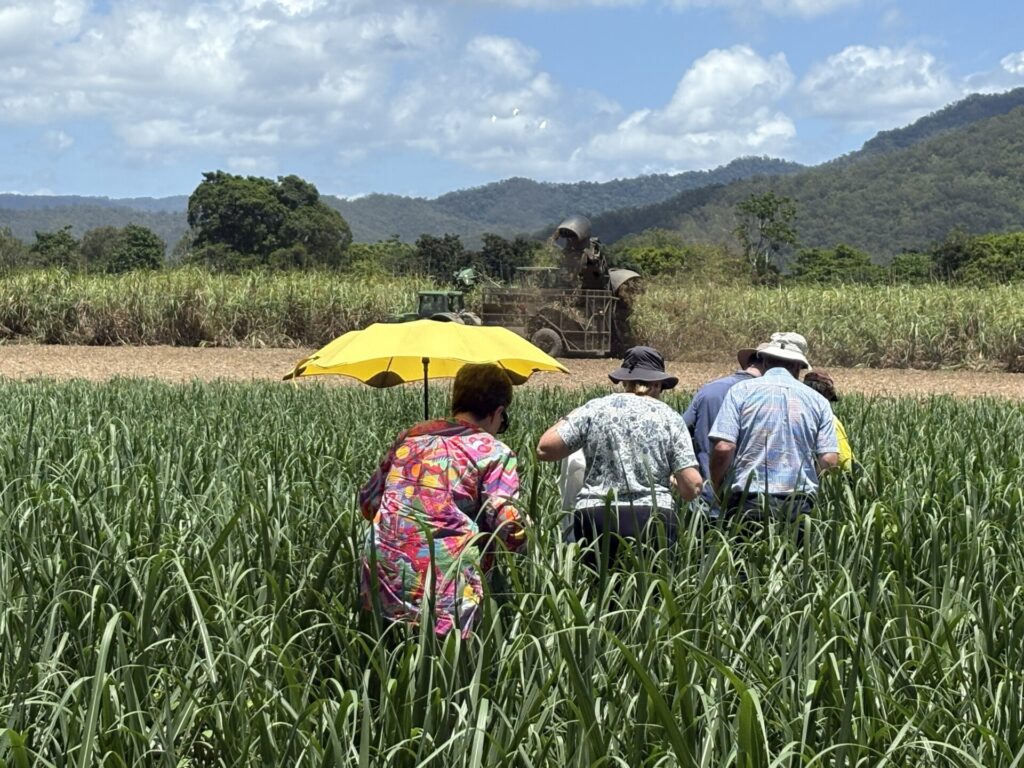
looking for the action
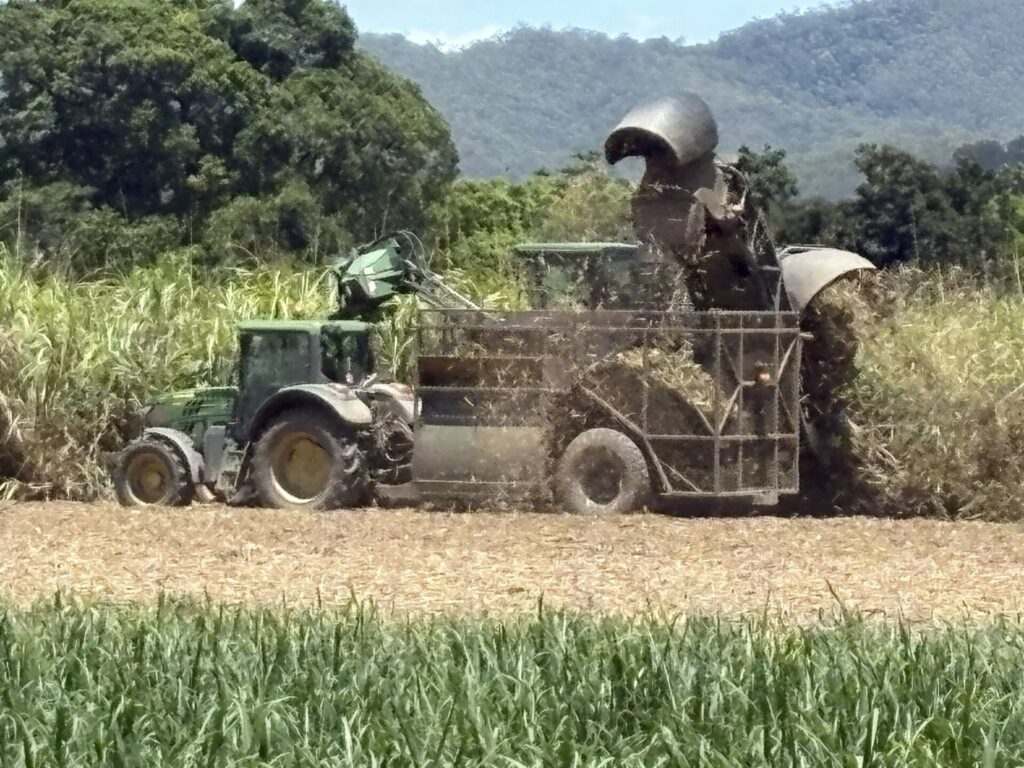
Sugar cane harvester in action
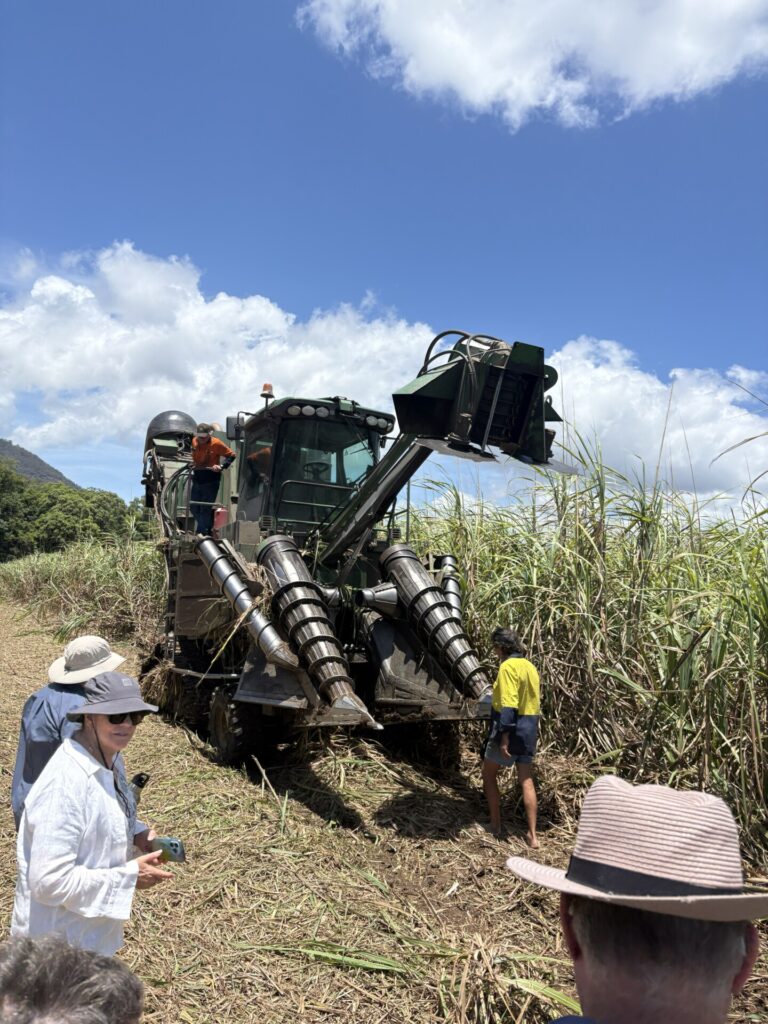
a closer inspection
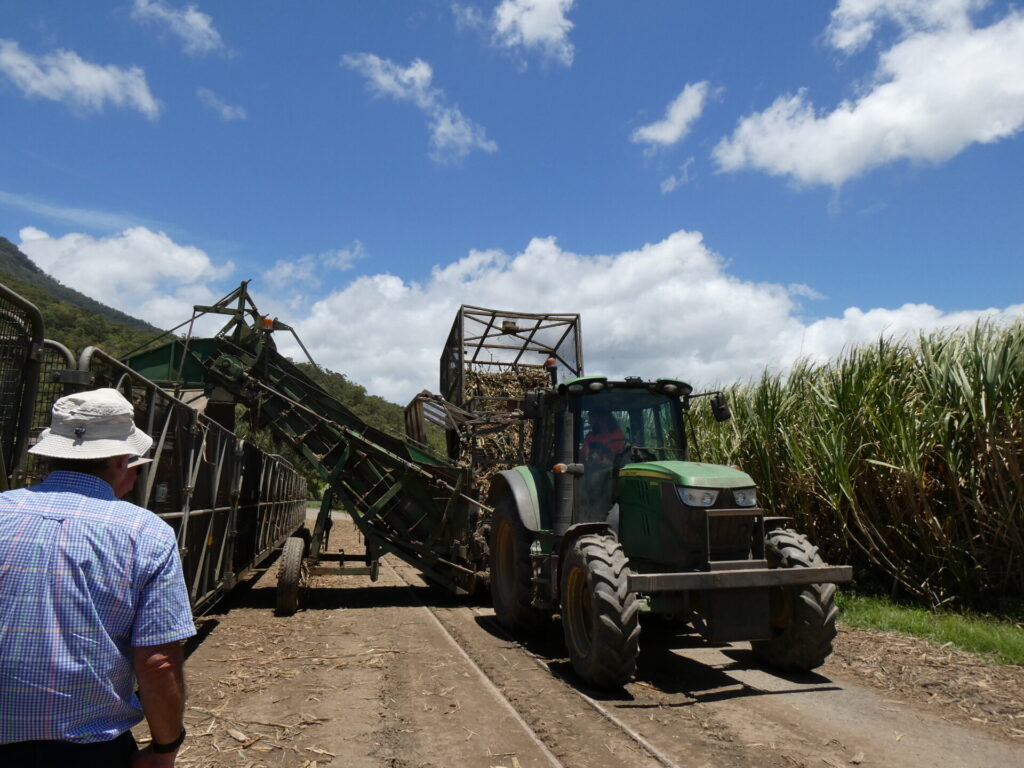
bin tractor loading the bins at the points
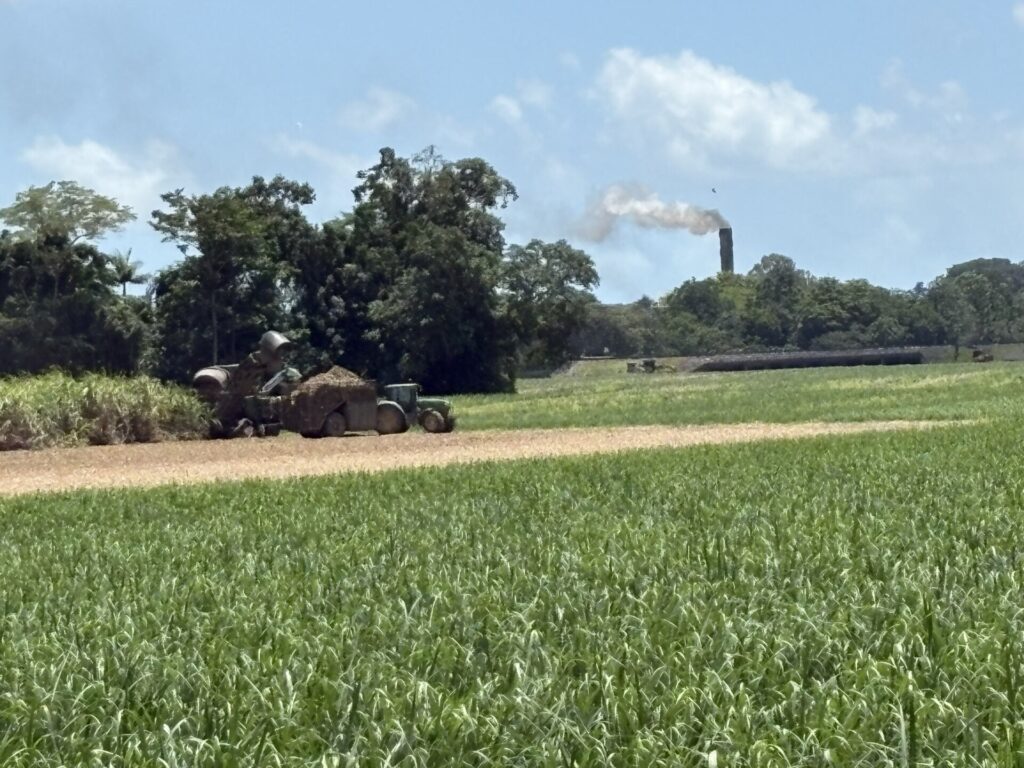
Mulgrave Mill in the background
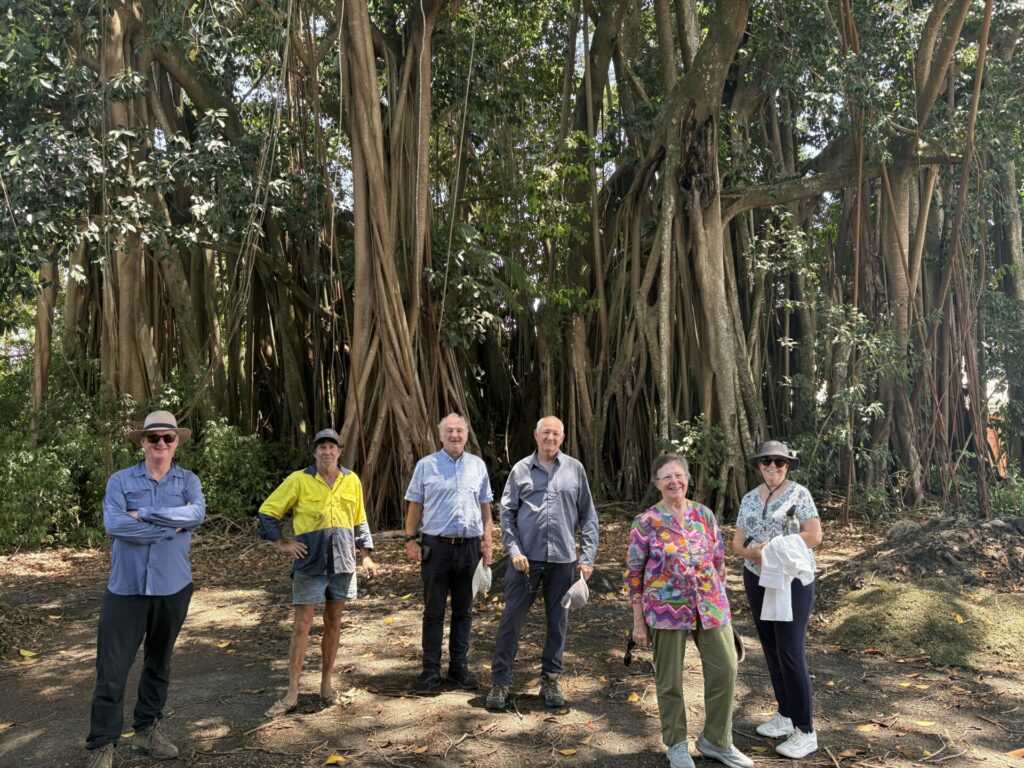
waiting patiently for our tour of the sugar cane mill
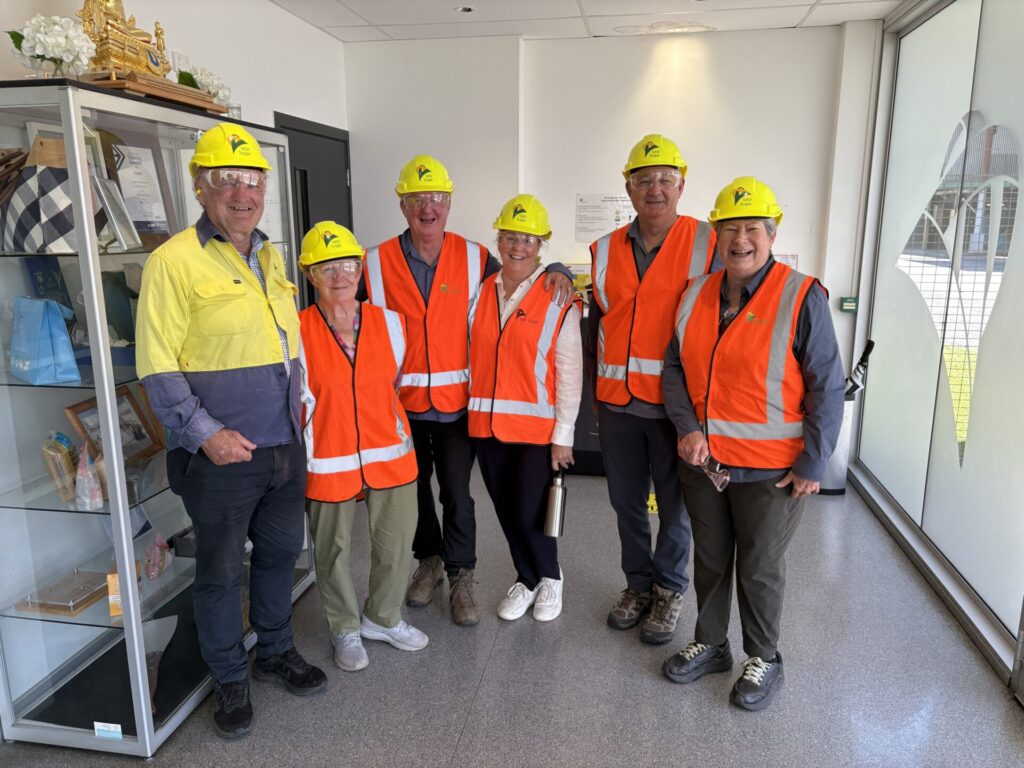
Hi-vis and ready to go
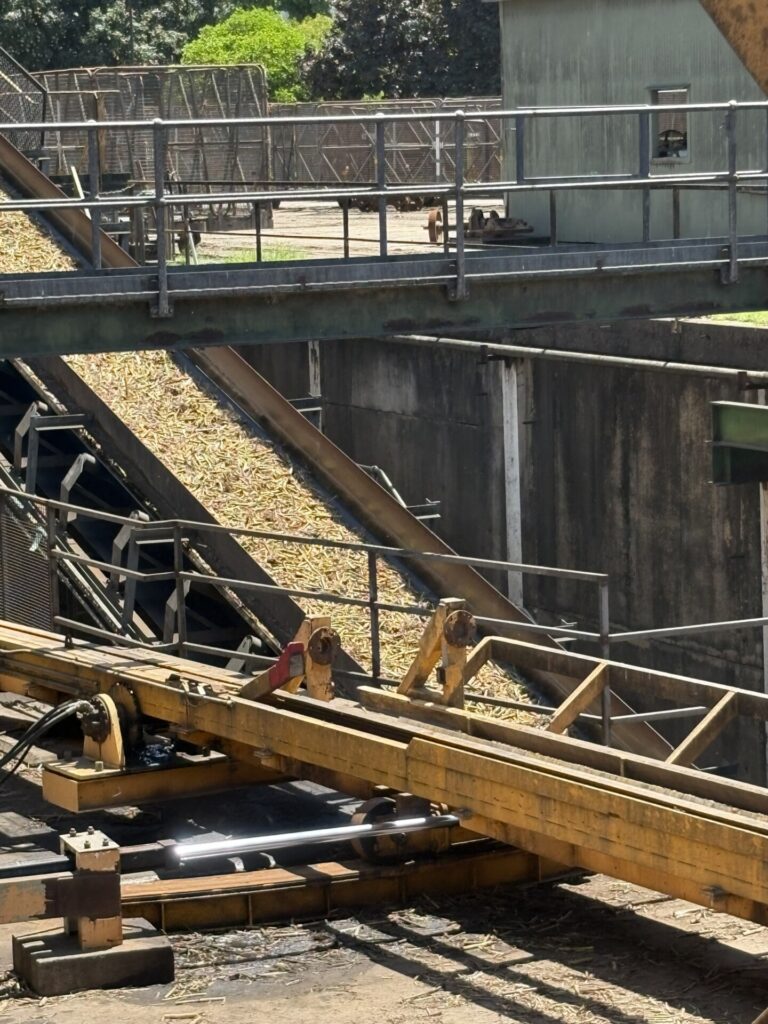
processing of the sugarcane
Leave a Reply